
Leather has been an important part of human civilization for thousands of years. It is one of the oldest and most durable materials known to mankind, used in everything from footwear and clothing to armor, furniture, luggage, and industrial safety equipment.
Leather is produced from animal hides and skins, which are by-products of the meat industry. Without tanning, these hides would quickly decompose and become waste. Tanning transforms this natural material into a durable product that can last for decades.
Today, leather has become more expensive than many synthetic alternatives, but in applications where strength, durability, comfort, and protection matter, it remains unmatched. Products such as welding gloves, industrial work gloves, safety footwear, saddlery, and premium leather goods continue to rely on genuine leather because no synthetic material has yet been able to replicate its unique combination of performance and longevity.
The Importance of Preserving Raw Skins
The tanning process begins the moment an animal is slaughtered.
As soon as the hide is removed, natural decomposition starts. If the skin is not properly preserved within the first few hours, bacteria begin attacking the collagen fibers that give leather its strength. Hair roots weaken, the grain surface becomes damaged, and the overall quality of the leather deteriorates.
This is why prompt preservation is critical.
Fresh skins should be kept in a clean, well-ventilated area before being thoroughly salted. Salt draws moisture from the skin, slows bacterial growth, and significantly extends its usable life until it reaches the tannery.
In many ways, this is the first stage of tanning.
Without preservation, a raw hide may remain usable for only a few days. Proper salting can extend its life for several weeks, giving tanneries enough time to process it without compromising quality.
From Raw Hide to Leather
Once the salted skins arrive at a tannery, they undergo several carefully controlled processes.
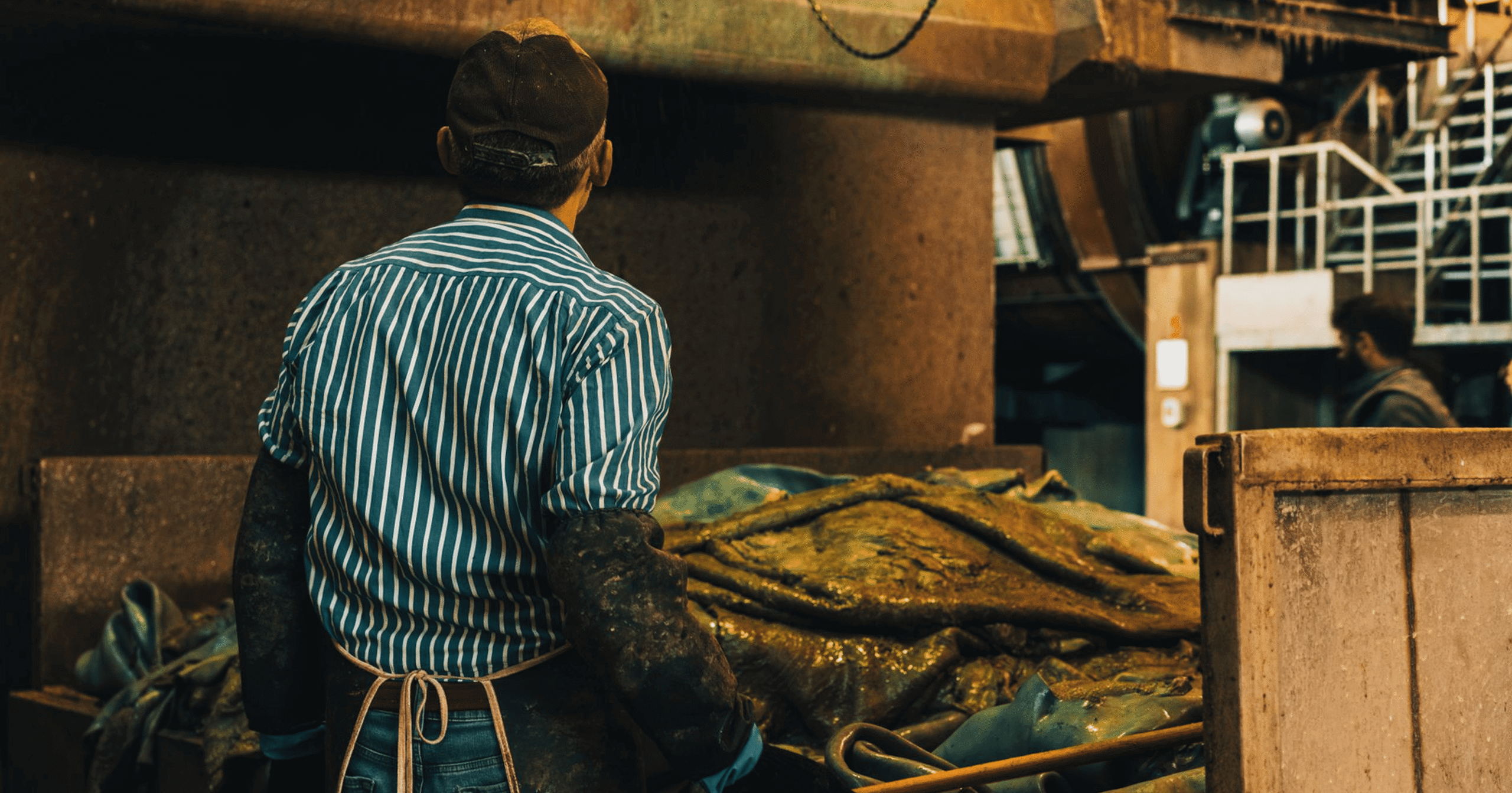
The first step is soaking, where the hides are washed to remove dirt, blood, salt, and other impurities while restoring their natural moisture.
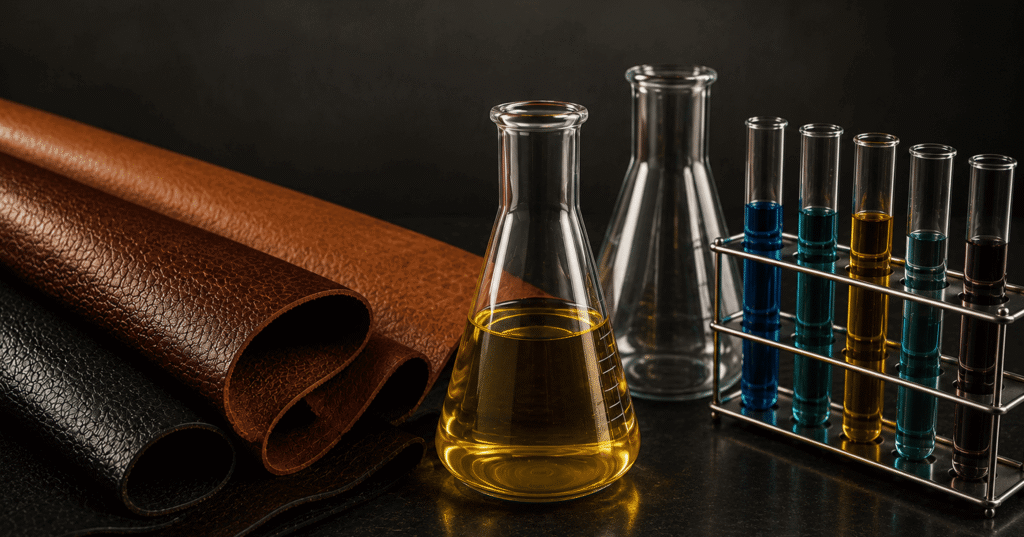
Next comes liming, one of the most important stages in leather manufacturing. During this process, the hides are treated with lime and sulfides to loosen the hair, remove unwanted proteins, and prepare the collagen fibers for tanning.
Depending on the tannery and the type of leather being produced, these operations are carried out either in traditional paddles or modern rotating drums.
By this stage, chemistry has taken over, and the transformation from raw skin into leather has truly begun.
Deliming, Bating and Pickling
After liming, the hides are carefully delimed to reduce their alkalinity before entering the bating process.
Bating uses specialized enzymes to gently clean and soften the hides while improving their flexibility and grain quality.
The remaining hair is then removed in a manual process known as scudding. Workers use a curved, double-handled knife to carefully scrape away loose hair while preserving the delicate grain surface.
Scudding requires considerable skill. Weak hair follicles or excessive scraping can damage the grain, reducing the value of the finished leather.
After bating and scudding, the hides are pickled using salt and acid. Pickling prepares the collagen fibers for chrome tanning or allows the pickled pelts to be exported for further processing elsewhere.
Chrome Tanning and Vegetable Tanning
Today, most leather produced around the world is either chrome tanned or vegetable tanned.
Chrome tanning is the most widely used process because it is efficient, economical, and produces soft, flexible leather with excellent durability. It uses chromium salts that permanently stabilize the collagen fibers, creating what the industry calls wet blue leather.
Vegetable tanning is the oldest tanning method still used commercially. Instead of chromium salts, it relies on natural tannins extracted from tree bark and other plant materials.
Although vegetable tanning takes considerably longer, it produces leather with exceptional character, beautiful aging properties, and a rich natural appearance that many craftsmen and luxury brands prefer.
Both methods have their own advantages, and each serves different segments of the leather industry.
Grading Leather
One of the most reliable stages for grading leather comes after tanning.
While raw hides can be visually inspected, many defects only become visible after tanning. Once the leather reaches the wet blue or pickled stage, its true quality becomes much easier to evaluate.
The highest grades are generally reserved for luxury shoes, handbags, premium leather goods, and bespoke products.
Lower grades are commonly used for gloves, upholstery, workwear, and other applications where small natural defects have little impact on performance.
Every part of the hide has value, and skilled manufacturers know how to maximize its use.
More Than Just Leather
Leather manufacturing produces far more than finished leather alone.
Many by-products are recovered and sold commercially, including wool, hair, fats, collagen products, and lime splits. These materials support a wide range of industries, making leather manufacturing one of the best examples of utilizing every part of a natural resource.
Why I Believe in Leather
My appreciation for leather goes beyond working in the tanning industry.
Back in 2006, my brother moved to Northampton in the United Kingdom, a city long recognized as one of the historic centers of leather education and craftsmanship. During one of his visits home, he brought me a leather belt.
At the time, I knew very little about premium leather. I simply wore the belt every day.
Years later, I discovered it had been made from high-quality leather and originally retailed for around $250.
That belt became part of my daily life. I wore it to work, while traveling, and even on my wedding day. It remained in excellent condition for nearly sixteen years. I only stopped wearing it in 2022 because, unfortunately, I had outgrown it—not because the leather had failed.
My second memorable leather experience came in December 2011 when I received a wallet crafted from Italian vegetable-tanned buffalo calf leather.
More than fifteen years later, I still use that wallet. The stitching has aged, but the leather itself remains remarkably beautiful.
Experiences like these explain why genuine leather continues to be valued around the world. It develops character over time rather than wearing out, and with proper care it can last for decades.
A synthetic belt may look similar on the day you buy it, but few people keep one long enough to create memories with it.
Looking Ahead
The leather industry has evolved enormously over the past century.
Sadly, some of the institutions that shaped modern leather science are no longer with us. The University of Northampton discontinued its renowned BSc (Hons) Leather Technology program, and Pittards—one of Britain’s most respected tanneries—closed operations after more than a century of leather manufacturing.
Their contributions to leather technology, research, and craftsmanship will not be forgotten.
Despite these changes, leather remains one of the world’s most remarkable natural materials. Its strength, durability, beauty, and sustainability continue to make it indispensable across countless industries.
For those of us who have spent our lives in leather manufacturing, tanning is more than an industrial process—it’s the art and science of preserving nature.
About the Author
If you have questions about leather manufacturing, leather tanning, raw hides, wet blue, glove leather, shoe upper leather, or any other leather-related topic, feel free to contact me at umer@pakleather.com. I am always happy to discuss leather technology and share knowledge with students, manufacturers, and leather enthusiasts from around the world.