
Leather is often criticized as being harmful to the environment. However, what is rarely discussed is how the leather industry makes use of almost every part of the raw hide, creating valuable byproducts that serve a wide range of industries. In reality, very little is wasted during the leather manufacturing process.
During the liming process, hair and wool are removed from the skins. Sheep skins produce high-quality shearling, which is widely used in clothing and winter apparel. Goat hair from certain regions is highly valued by the carpet industry due to its strength, durability, and texture.
Another important byproduct is animal fat, which is removed during the fleshing process. This fat is collected and later processed for use in a variety of industries, including pharmaceuticals, detergents, candles, lubricants, and heating applications. In Pakistan, many tanneries temporarily collect these fats in storage ponds before they are sent for further processing.
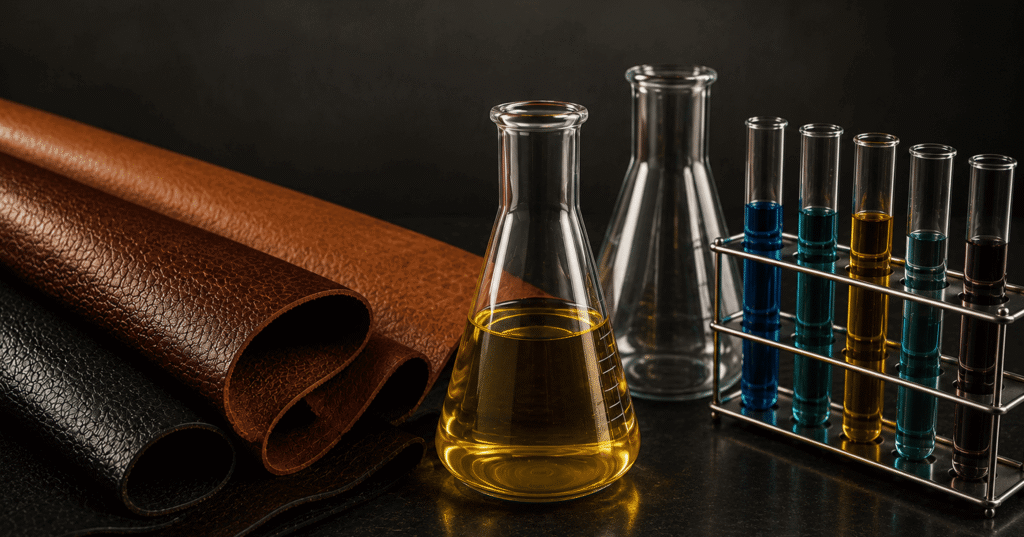
The tanning process also generates chemical residues. Some chemicals, such as chromium tanning liquor, can be recovered, treated, and reused, reducing both costs and environmental impact. Other chemicals, such as hydrogen sulfide, present greater handling challenges because they cannot be safely stored and therefore require careful management and treatment.
Leather processing operations such as shaving, buffing, and finishing produce leather fibers. These fibers are collected and utilized in the manufacture of insulation materials, fiberboards, composite products, and as an alternative fuel in certain industrial kilns. Recycling these fibers helps reduce waste while creating additional economic value.
Modern leather manufacturing focuses on maximizing the yield from every hide. Through improved technology, proper waste management, and skilled craftsmanship, tanneries continue to reduce waste and improve sustainability. Increasing the usable output from each skin remains one of the primary objectives of every professional tannery.
In reality, leather production is based on utilizing a byproduct of the meat industry. If raw hides were simply discarded, they would decompose, creating environmental and public health challenges. Converting these hides into durable leather products not only extends the life of a natural material but also creates employment, generates economic value, and reduces waste.
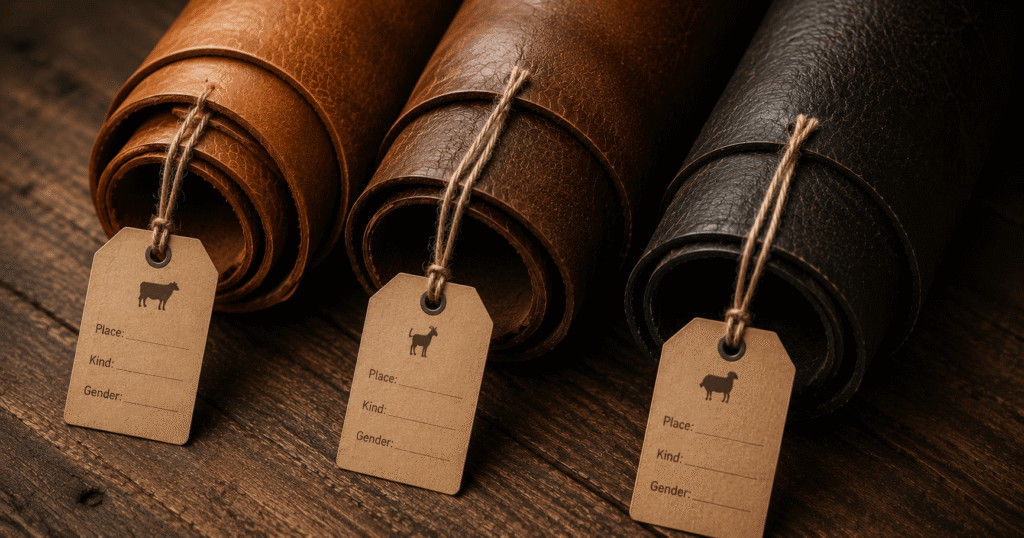
As consumers become increasingly concerned about sustainability, the future of the leather industry lies in greater transparency and traceability. Responsible sourcing, environmentally sound manufacturing practices, and complete supply chain traceability are essential to ensuring that leather remains one of the world’s most sustainable natural materials.